
Porcelain veneer
A thin shell of porcelain bonded to the front of a tooth. A thin layer of enamel is usually reshaped so the veneer sits flush. It changes color, shape and length together, and porcelain resists staining well.
All three change how a tooth looks. They differ in how much of the tooth they change, how long they last and what they cost. Here is the plain comparison.
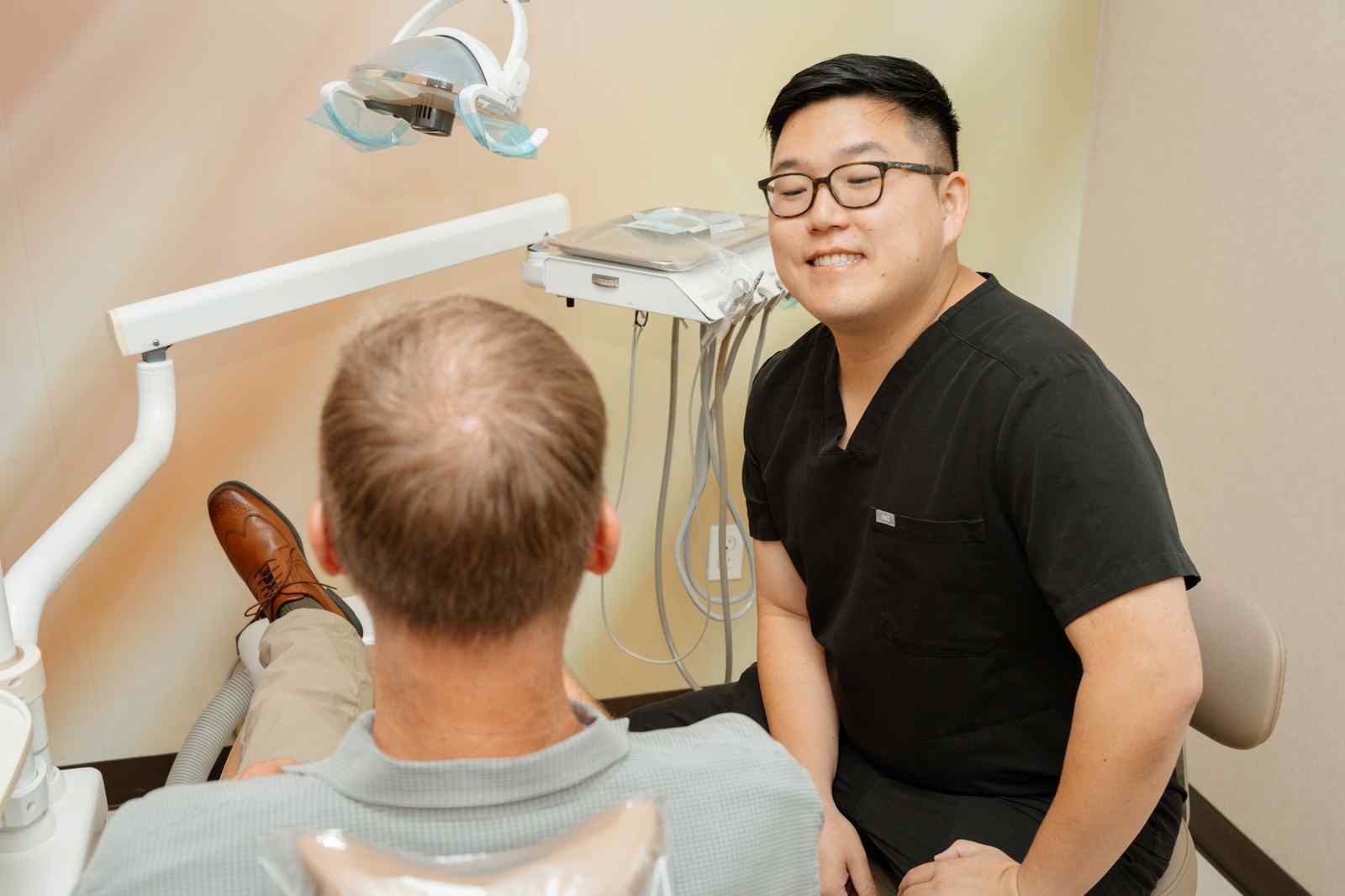
Dr. James Chon, DMD · Diamond Bar
A thin shell of porcelain bonded to the front of a tooth. A thin layer of enamel is usually reshaped so the veneer sits flush. It changes color, shape and length together, and porcelain resists staining well.
Tooth-colored resin sculpted directly onto the tooth in one visit, usually with little or no removal of enamel. Well suited to a chip, a small gap or a worn edge. Resin can pick up stain and wear over time.
A cap that covers the whole tooth above the gum. It is chosen when a tooth is weak, heavily filled, cracked or has had a root canal, because it protects the tooth as well as changing how it looks.
The right choice depends on the tooth underneath. A healthy tooth that only needs a cosmetic change is a different case from a tooth that needs to be protected.
Bonding changes the least and is often reversible. A veneer reshapes a thin layer of the front surface. A crown reshapes the whole tooth, which is why it is kept for teeth that need the protection.
Bonding generally needs touching up sooner than porcelain. Well-made veneers and crowns routinely last many years. Grinding, biting hard objects and skipped checkups shorten the life of all three.
Porcelain holds its color. Resin bonding can dull or stain with coffee, tea and red wine, and may need polishing or replacing to keep matching the teeth around it.
Veneers are published per tooth by case size, and four are $5,196. Bonding and crowns vary with the tooth, so each is priced in writing at your exam before anything begins.
Veneer pricingBonding is often the simplest answer: one visit, little change to the tooth, and a lower cost than porcelain.
Cosmetic bondingVeneers change several things at once across the teeth that show when you smile, and porcelain keeps its color.
Porcelain veneersA crown protects what is left of the tooth while restoring how it looks.
Crowns and bridgesUsually, per tooth. Bonding is done in one visit with resin, while a porcelain veneer is designed and made for the tooth. At In Line, veneers are published per tooth by case size (four veneers are $5,196), and bonding is priced in writing at your exam.
Porcelain veneers generally last longer and hold their color better than resin bonding, which can stain and wear and may need touching up over the years. How long either lasts also depends on grinding, diet and regular checkups.
Placing a porcelain veneer usually means reshaping a thin layer of enamel so the veneer sits flush. That enamel does not grow back, which is why the consultation matters and why bonding or whitening is recommended when it can get you the result instead.
When the tooth itself needs protecting: a large filling, a crack, significant wear or a tooth that has had a root canal. A veneer only covers the front surface; a crown covers and strengthens the whole tooth.
Yes. Bonding can often be removed or replaced, so some patients start with bonding and move to porcelain later. Dr. Chon can talk through that path at the consultation.
Dr. Chon will tell you which option fits your teeth, including when the smaller treatment is the right one.
Optional. It only changes the price you see.
Loading Dr. Chon's next openings…
Online times aren't available right now. Tell us who's coming and we'll text you a Tuesday or Thursday time.
You requested a Tuesday or Thursday time. This is a request, not a confirmed appointment. We'll text you to confirm it, usually the same business day.
20855 Golden Springs Dr #108, Diamond Bar, with free parking right outside. Need a different time? Call or text (909) 345-6155.
This is a request, not a confirmed appointment. We'll text you a Tuesday or Thursday time to confirm, usually the same business day.
20855 Golden Springs Dr #108, Diamond Bar, with free parking right outside.