
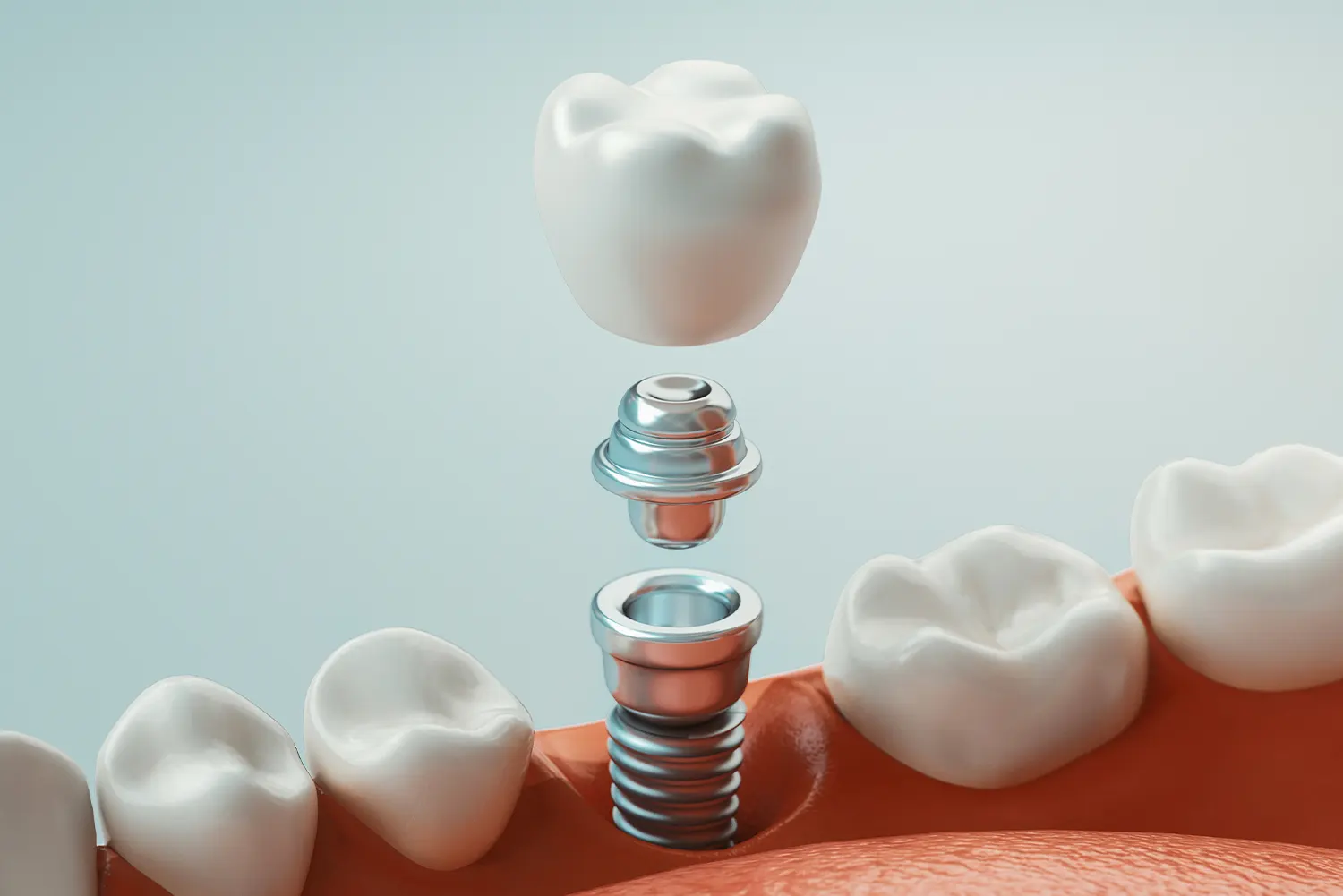
The Truth: Replacing Missing Teeth with Dental Implants at In Line Dentistry
At In Line Dentistry, we know that deciding to replace a missing tooth is a big step. Whether you’ve lost a tooth to an injury, decay, or a failed root canal, the options can feel overwhelming. You’ve likely heard that dental implants are the "gold standard" of modern dentistry—and they are! But as Dr. Chon often discusses with our patients here in Diamond Bar, CA, there is also a significant amount of mystery and misconception surrounding the procedure.
If you’ve been scrolling through social media or listening to the radio, you might think an implant is a "set-it-and-forget-it" quick fix. The reality is a bit more nuanced. We believe that an informed patient is a happy patient. That’s why we’ve put together this comprehensive guide to pull back the curtain on dental implants, debunk the most common myths, and explain why the "long road" is often the one that leads to the most beautiful, lasting results.
Myth #1: The "Quick Fix" Fallacy
One of the most common things we hear at In Line Dentistry is: "Can I get my new tooth today?"
It’s easy to understand why patients ask this. Marketing terms like "Teeth in a Day" are everywhere. While those procedures do exist, they typically apply to "full-arch" implants—cases where we are replacing an entire set of teeth with a bridge supported by four to six implants. In those specific scenarios, we can often provide a temporary set of teeth shortly after surgery.
However, for a single-tooth implant, the process is a marathon, not a sprint. In fact, if you include the time needed for a tooth extraction and bone healing, the journey can take up to a full year.
Why Does it Take So Long?
We aren’t just "installing" a piece of hardware; we are working with your body’s natural biology. After we place the titanium implant post into the jawbone, a process called osseointegration must occur. This is where your bone literally grows into and fuses with the implant surface.
If we rush this and put a heavy tooth (and the pressure of chewing) on that implant before the bone is ready, the implant will fail. We also have to consider the "state of the bone." If you’ve been missing a tooth for a while, the bone may have thinned out, requiring a bone graft and several months of additional healing. Every patient in Diamond Bar is different, and Dr. Chon prioritizes your long-term success over a fast, but risky, timeline.
Myth #2: The Fear of Pain and "Hardware"
Many patients walk into our office with a specific image in their minds: they imagine a giant, rugged nail from Home Depot being driven into their jaw. If that was the reality, we’d be scared too!
Fortunately, dental implant technology is incredibly sophisticated and designed for comfort. The actual procedure, when performed by an experienced hand like Dr. Chon’s, should be painless.
What the Experience is Actually Like
At In Line Dentistry, we ensure you are completely numb and comfortable before we begin. Most of our patients tell us that the implant placement was actually easier and less traumatic than the original tooth extraction. You will feel some pressure and you’ll be aware that work is being done, but "sharp pain" is not part of the equation.
Recovery is usually quite smooth as well. While there might be some minor soreness or "achy" feelings for a few days—similar to what you’d feel after a deep cleaning or a simple filling—it is rarely worse than the discomfort of losing the tooth in the first place.
Myth #3: "Implants Last Forever Without Effort"
We wish we could tell you that once an implant is in, you never have to worry about it again. But just as you can lose a natural tooth to gum disease, you can lose an implant if it isn't properly maintained.
The Reality of Peri-Implantitis
An implant is made of titanium and porcelain, so it can’t get a cavity. However, the bone and gums surrounding the implant are still living tissue. If you don’t clean around the implant properly, bacteria can build up and cause "peri-implantitis"—an inflammatory condition that eats away at the bone holding the implant in place.
Furthermore, mechanical stress matters. If you have a habit of biting down too hard on ice or clenching your teeth, you can cause the implant to lose its grip on the bone. An implant is an investment, and like any high-end investment, it requires regular "servicing" at the dentist and excellent "garage care" at home.
The "Four Tires" Analogy: Why the Back Teeth Matter
This is perhaps the most important lesson Dr. Chon shares with our Diamond Bar community. Often, a patient will come in wanting to fix a missing front tooth because it affects their smile and confidence. But when we mention that they also need to replace their missing back molars, they hesitate. "No one sees the back," they say. "Let’s just do the front."
We like to use the Four-Tire Analogy to explain why this is a dangerous path.
Driving on Two Tires
Imagine your car is missing all four tires, but you decide only to buy the front two because they’re the ones people see when you pull into the driveway. What happens when you try to drive that car? The front two tires are now carrying the entire weight of the engine and the chassis. They are going to wear out, pop, or bend the axle in record time.
Your mouth works the same way. Your back teeth (molars) are designed to handle the "heavy lifting" of chewing. They are the "back tires" of your bite. When you skip replacing them and only fix the front teeth, you are putting 100% of the force of your jaw onto your delicate front cosmetic work. Those beautiful front implants or crowns will eventually chip, break, or loosen because they weren't designed to carry that load alone.
To ensure the longevity of your "smile zone," we must create a stable, balanced foundation in the back of the mouth.
The Master Class: Modern Hygiene for Your Implant
Once Dr. Chon has placed your implant and it has successfully healed, the ball is in your court. At In Line Dentistry, we spend a lot of time teaching our patients the "New Rules" of oral hygiene.
Waterpicks vs. Traditional Floss
For years, we told everyone that nothing beats traditional string floss. For natural teeth, that remains largely true. However, for dental implants, the tide is shifting.
Recent research suggests that aggressive flossing with string can sometimes disrupt the delicate "seal" where the gums meet the implant crown. Once that seal is broken, bacteria can dive deep toward the bone. Because of this, we often recommend a Waterpick (water flosser). It is much gentler on the gum attachment but incredibly effective at flushing out debris from the nooks and crannies around an implant.
The "Middle Finger" Flossing Technique
If you do use traditional floss, we want to fix a mistake that almost everyone makes. Most people wrap the floss around their index fingers. When you do this, you lose all your leverage and control, making it nearly impossible to reach the back of your mouth.
The Pro-Tip:
- Wrap the floss around your middle fingers.
- Use your index fingers and thumbs as "guides" to move the floss.
- This gives you much more control and a better range of motion.
The Side-Pull Exit
When flossing around a crown or an implant, don’t snap the floss back up through the contact point. The "upward" pressure can eventually stress the dental cement and cause the crown to come loose. Instead, floss down into the gum line, and then simply pull the floss out through the side. It’s a small change that makes a huge difference in the life of your dental work.
Alternatives: When is an Implant Not the Best Choice?
We love implants, but we also recognize that they aren't the perfect fit for every single person. Sometimes, time is the deciding factor.
If you are getting married in a month or have a major career event coming up in Diamond Bar, you simply don’t have the time to wait for an implant to heal. In these cases, a dental bridge might be the better option.
- Implants: Take 6–12 months but preserve the neighboring teeth.
- Bridges: Take about 3 weeks but require us to shave down the two teeth on either side of the gap to support the new tooth.
If the teeth next to the gap are already heavily filled or need crowns anyway, a bridge can sometimes be "two birds with one stone." Dr. Chon will always walk you through the pros and cons of both so you can choose the path that fits your lifestyle and your health.
The "Aha" Moment
The journey to a dental implant is often filled with a bit of "buyer's remorse" in the middle. Patients sometimes feel frustrated during the months of waiting, wondering why they spent the money if they don’t have a tooth yet.
But then comes the "Aha" moment.
It happens on the day we finally place the permanent porcelain crown. Suddenly, the patient can eat a steak without thinking twice. They can laugh without covering their mouth. They realize that the wait was what allowed the foundation to become rock-solid.
At In Line Dentistry, we aren't just looking to give you a tooth; we’re looking to give you a bite that lasts for decades. If you’re in Diamond Bar, CA, and you’re ready to start your journey toward a complete, healthy smile, give us a call. We’d love to welcome you into our practice.
Ready to reclaim your smile?
Call In Line Dentistry today at (909) 598-1122 to schedule your consultation with Dr. Chon. Let’s build your "four-tire" foundation together!
Recent Blog Posts
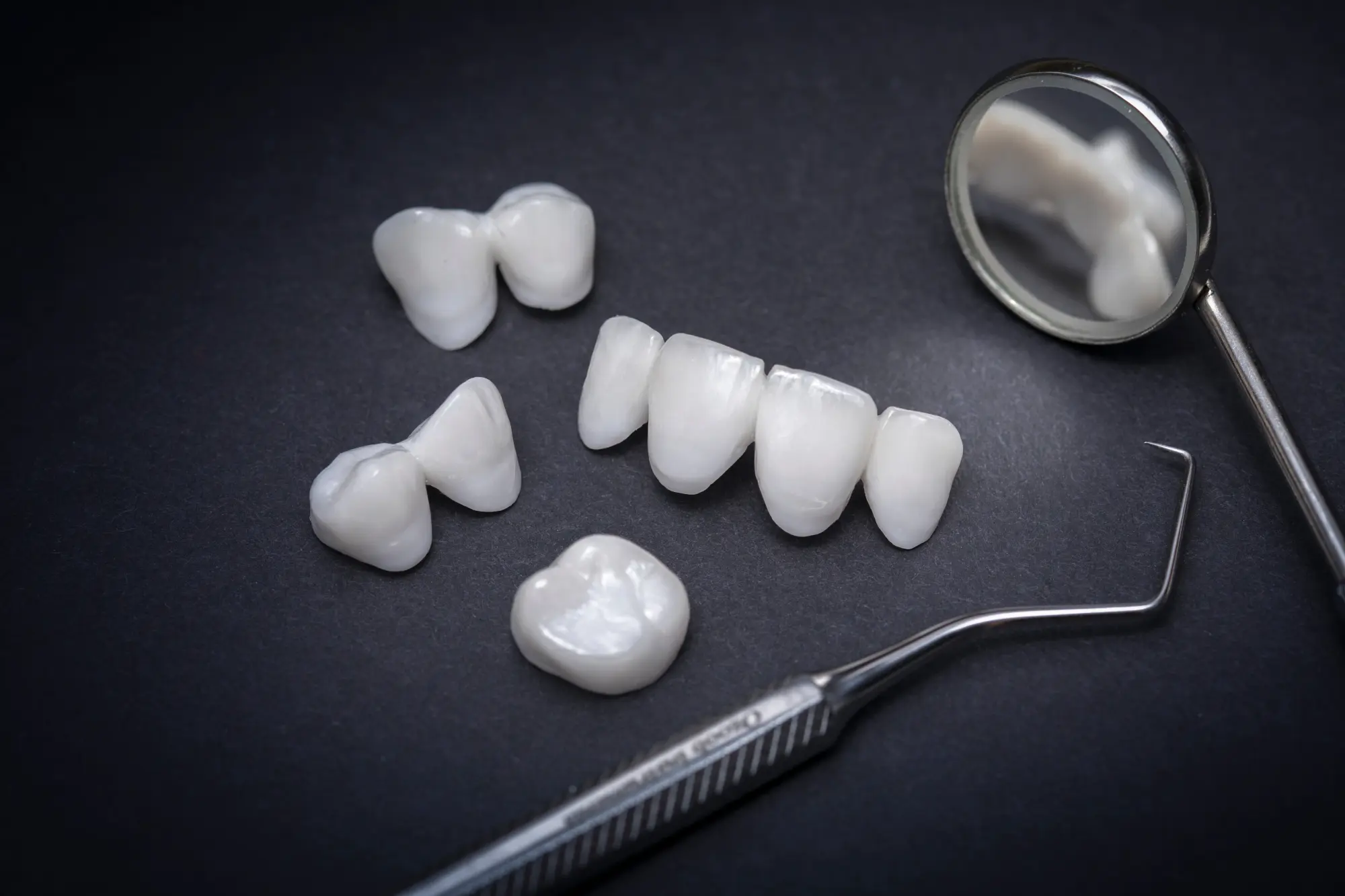
How Long Do Porcelain Veneers Last? Your Guide to a Lasting, Confident Smile

Smile Makeover: In Line Dentistry’s Secret to a Flawless, Natural Smile
Gentle Tooth Extractions in Diamond Bar: Prioritizing Your Comfort and Care